
Why Personal Loan Applications Get Rejected (And How to Fix It)
Juggling bills, family responsibilities, EMIs and unexpected expenses all at once? And just when you think a personal loan might give you that breathing space… boom — rejection.
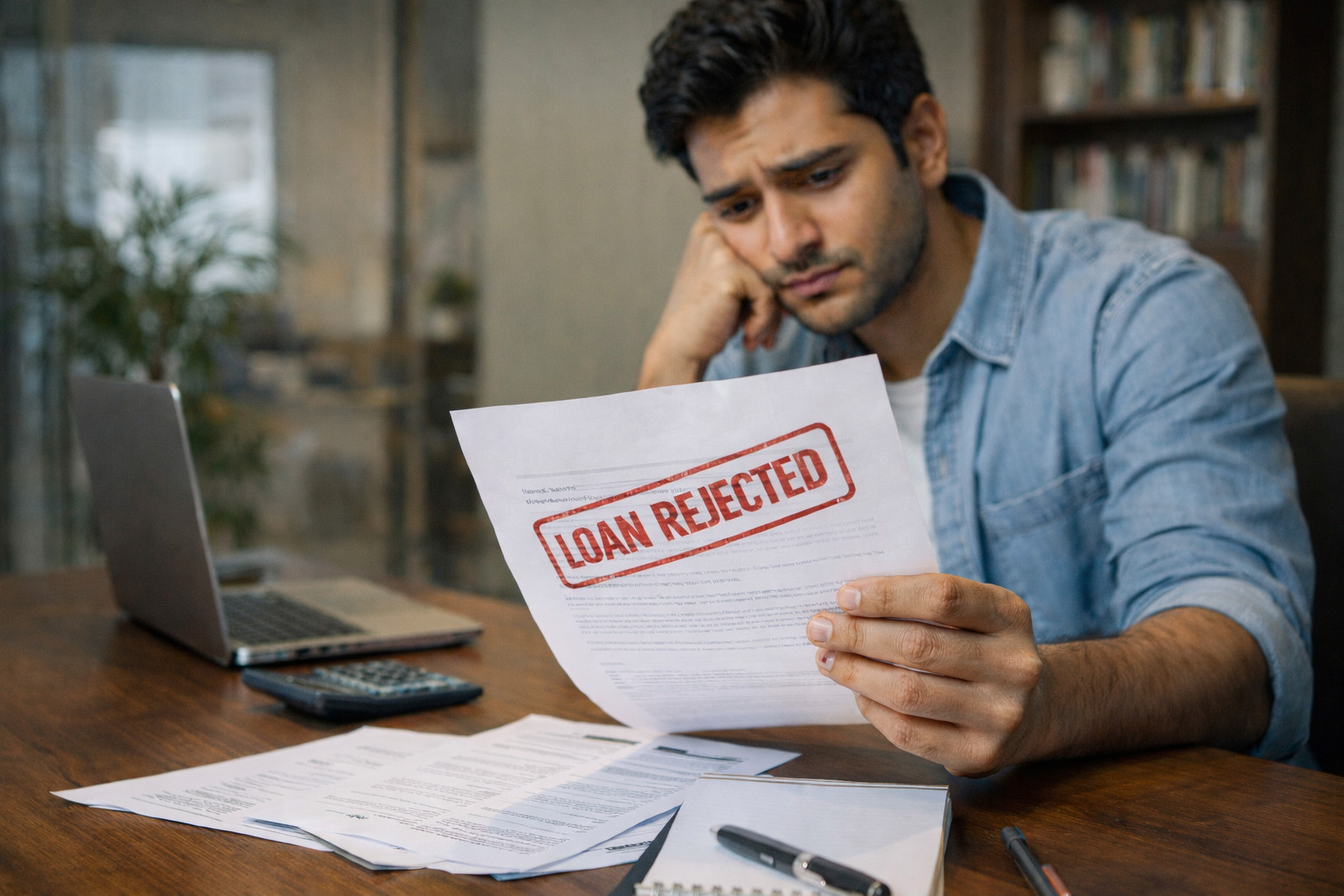
You fill out the application with hope, wait anxiously for the update and instead of relief, you get that dreaded “We regret to inform you..Your personal loan application has been declined’’
No proper explanation. No clarity. Just a straight No.
It's frustrating, right?
If this sounds familiar, you’re not alone. Thousands of people experience personal loan rejected notifications every day. The good news? Most of the time, it’s fixable.
But here’s the thing — most personal loan rejections are justified and it doesn't happen randomly. Lenders usually have very specific reasons behind that decision. The good news? Many of those reasons are fixable. Personal loans are meant to be a safety net during urgent times — whether it’s medical expenses, home repairs, travel, or clearing high-interest debts. But along with the benefits come certain checks, criteria, and conditions that can quietly work against you if you’re not aware of them.
So before you lose hope or assume you’re “not eligible,” let’s break it down.
We’ll explore the most common reasons why personal loan rejection reasons — and more importantly, what you can do to fix them and improve your chances the next time you apply.
A Quick Understanding Of Why Your Personal Loan Gets Rejected
Banks and lenders don’t reject applications randomly. They follow specific criteria to reduce risk. When they feel unsure about repayment capacity or financial stability, they may decline the application.Understanding the reasons for personal loan denial helps you prepare better next time. Let’s break it down in simple words.
8 Common Reasons Your Personal Loan Gets Rejected
1. Low Credit Score
Your credit score is like your financial report card. If it’s too low, lenders may assume you have a history of late payments or defaults.
This is one of the biggest personal loan rejection reasons people face.
2. Irregular Income
If your income fluctuates too much or seems unstable, lenders may worry about your ability to repay monthly EMIs.
Freelancers and self-employed individuals often face this issue.
3️. High Existing Debt
Already paying multiple EMIs? Credit card dues? Car loan?
When your debt-to-income ratio is high, lenders hesitate. It signals financial pressure.
This is another major reason behind why personal loans get rejected.
4. Too Many Loan Applications
Applied at 5–6 banks within a week? That creates multiple “hard inquiries” on your credit report.
It makes you appear credit-hungry, which increases risk in the lender’s eyes.
5. Errors in Credit Report
Sometimes it’s not even your fault. A wrong late payment entry, outdated loan status, or incorrect details can result in a personal loan rejected outcome.
Always check your credit report before applying.
6. Unstable Job History
If you frequently change jobs or recently started a new one, lenders may see it as instability.
They prefer applicants with at least 6–12 months in the same organization.
7. Incomplete Documentation
Missing salary slips, incorrect bank statements, or mismatched signatures can lead to rejection.
Simple paperwork mistakes are surprisingly common reasons for personal loan denial.
8. Not Meeting Eligibility Criteria
Every lender has specific age, income, and employment criteria.
If you don’t meet even one requirement, your application may not move forward.
6 Smart Ways to Fix Personal Loan Rejection
Now comes the hopeful part. If your personal loan is rejected, it doesn’t mean “Never.” It often means “Not yet.”
Here’s how you can fix it.
1. Improve Your Credit Score
Pay credit card bills on time.
Avoid minimum payments—pay full dues if possible.
Keep your credit utilization below 30%.
Over 3–6 months, your score can improve significantly.
2. Reduce Existing Debt
Before applying again, try to close small loans or reduce outstanding balances.
Lower debt improves your debt-to-income ratio and reduces one major personal loan rejection reason.
3. Apply With the Right Lender
Not every lender suits every borrower.
Research lenders based on your profile—salary range, employment type, and credit score.
Choosing the right lender can reduce the chances of personal loan rejected again.
4. Correct Credit Report Errors
If you notice mistakes, immediately raise a dispute with the credit bureau.
A corrected report can completely change the outcome and remove unnecessary reasons for personal loan denial.
5. Add a Co-Applicant
A co-applicant with strong income and good credit score increases approval chances.
It reassures lenders about repayment security.
6. Wait and Reapply Smartly
Don’t rush. If your application was declined, wait at least 3–6 months before applying again.
Use that time to fix the issues that caused why a personal loan gets rejected in your case.
Patience improves approval odds dramatically.
Final Thoughts: Rejection Is the step to next opportunity
A loan rejection can feel personal. But remember—it’s a financial decision, not a judgment of your worth.
Understanding the personal loan rejection reason behind your case empowers you. Instead of feeling stuck, you can improve your profile step by step.Many people who once faced personal loan rejection notifications later secured approval simply because they prepared better the second time.
Rejections teach responsibility. Planning builds confidence. And informed decisions create stability.So take a deep breath. Review. Improve. Reapply wisely.
Your approval might just be one smart step away.